

Understanding Your Child's Tooth Development
As a parent in Hyderabad, knowing when to expect your child's teeth can help you prepare for each stage of their dental journey. Tooth development begins long before that first tiny tooth peeks through the gums, and understanding this timeline helps you spot potential issues early.
At Dent Health in Banjara Hills, our pediatric dentists guide hundreds of families through each stage of their child's tooth development. Let us walk you through what to expect and when.
Baby Teeth: The Complete Timeline
Baby teeth (also called primary teeth or milk teeth) start forming beneath the gums while your baby is still in the womb, around the 6th week of pregnancy. They typically begin erupting between 6 to 10 months of age, though some babies get their first tooth as early as 4 months or as late as 12 months.
Here is the general order of baby teeth eruption:
- 6 to 10 months: Lower central incisors (bottom front teeth) appear first.
- 8 to 12 months: Upper central incisors (top front teeth) follow.
- 9 to 13 months: Upper lateral incisors (beside the front teeth).
- 10 to 16 months: Lower lateral incisors.
- 13 to 19 months: First molars (upper and lower).
- 16 to 23 months: Canine teeth (the pointed teeth).
- 23 to 33 months: Second molars complete the set.
By age 3, most children have a full set of 20 baby teeth, 10 on the upper jaw and 10 on the lower jaw.
Teething Signs and How to Help
Teething can be uncomfortable for babies and stressful for parents. Common signs of teething include:
- Swollen, tender gums
- Increased drooling
- Irritability and fussiness
- Desire to chew on hard objects
- Mild fever (below 100.4 degrees F)
- Disrupted sleep patterns
To soothe your teething baby, try a chilled teething ring (not frozen, as extreme cold can hurt), gently rub their gums with a clean finger, or offer a cold washcloth to chew on. Avoid teething gels containing benzocaine for children under 2 years. If your child has a high fever or seems unusually unwell during teething, consult your pediatric dentist at Dent Health.
Permanent Teeth Eruption: Ages 6 to 21
The transition from baby teeth to permanent teeth is a process that spans many years. It typically begins around age 6 and continues into early adulthood.
- Age 6 to 7: First permanent molars erupt behind the last baby molars (these do not replace any baby tooth). Lower central incisors also begin to replace baby teeth.
- Age 7 to 8: Upper central incisors and lower lateral incisors.
- Age 8 to 9: Upper lateral incisors.
- Age 9 to 12: Canines and premolars gradually replace baby canines and molars.
- Age 11 to 13: Second permanent molars.
- Age 17 to 21: Third molars (wisdom teeth), though not everyone develops them.
A full set of permanent teeth includes 32 teeth (28 without wisdom teeth). The "ugly duckling" stage around ages 7 to 9, when front teeth look large compared to the face, is completely normal and resolves as the child grows.
Warning Signs to Watch For
While most children's teeth develop normally, certain signs should prompt a visit to your dentist in Hyderabad:
- No teeth by 12 months: While late eruption can be normal, it is worth checking for underlying issues.
- Teeth erupting in unusual order: Significant deviations from the expected sequence may indicate developmental concerns.
- Baby teeth not falling out: If baby teeth remain past the expected age, they may need to be extracted to allow permanent teeth to come in properly.
- Permanent teeth coming in behind baby teeth ("shark teeth"): This is common with lower front teeth. Visit Dent Health for evaluation, the baby tooth may need removal.
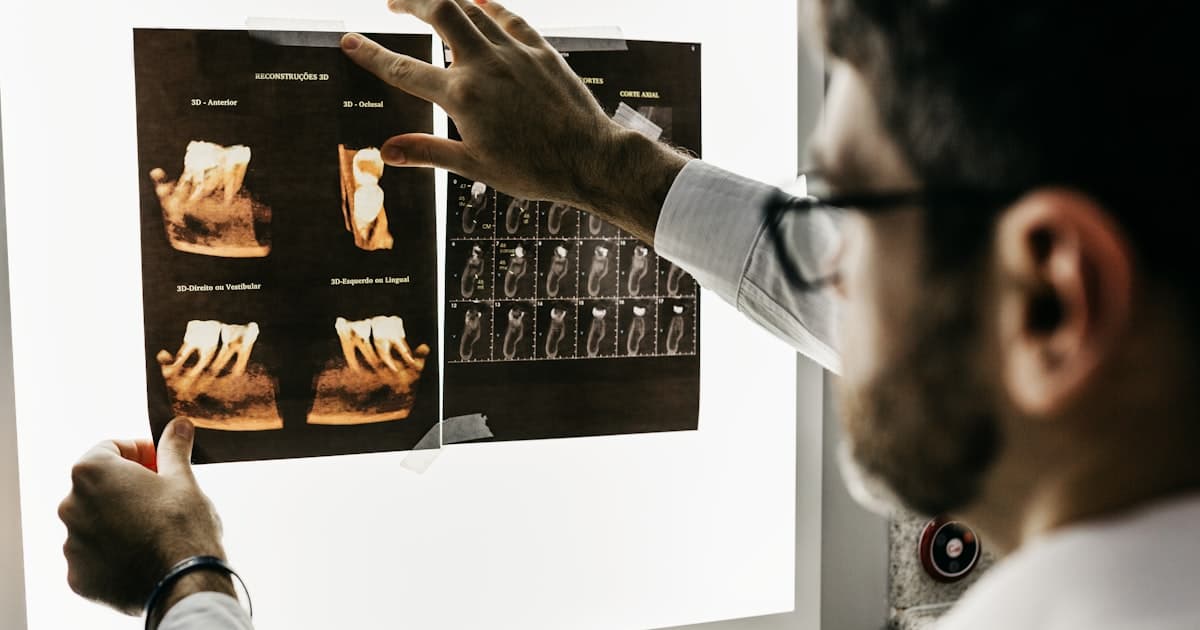
- Extra or missing teeth: Some children develop extra teeth (supernumerary) or may be missing teeth entirely (congenitally absent). Early detection through dental X-rays helps plan appropriate treatment.
- Discolouration or pitting: White spots, brown patches, or rough texture on erupting teeth could signal enamel defects that need attention.
Frequently Asked Questions
Is it normal for my child's permanent teeth to look more yellow than their baby teeth?
Yes, this is completely normal and does not mean there is a problem. Permanent teeth have a thicker layer of dentin, which is naturally more yellow than the thin, translucent enamel of baby teeth. As your child's remaining baby teeth fall out, the colour difference becomes less noticeable.
My 5-year-old has gaps between their baby teeth. Should I be worried?
Gaps between baby teeth are actually a good sign. These spaces, called primate spaces, indicate that there is room for the larger permanent teeth to come in properly. Children with tightly spaced baby teeth are more likely to experience crowding when their permanent teeth erupt.
When should my child get their first dental X-ray?
At Dent Health, we typically recommend the first dental X-ray around age 5 to 6, when permanent teeth begin erupting. X-rays help us check for developing teeth, spot early decay between teeth, and identify any structural abnormalities. The radiation exposure from modern digital X-rays is extremely low and safe for children.
Concerned about your child's tooth development? Schedule a check-up with our pediatric dental team at Dent Health Dental Clinic, Plot 46, Road No. 3, Banjara Hills, Hyderabad. Call 9505811811 today.